
Home  /  Mold Remediation
Mold remediation

Mold is a water problem wearing a different name.

Plumbing or roof leaks, moisture that won’t dry naturally, and excessive humidity can all lead to mold growth. We come in to identify the affected areas and help determine the cause behind it. We’ll set up containment where we need to, remove materials that can’t be cleaned, and scrub/treat any remaining affected surfaces while helping you understand what needs to happen to help prevent any future growth.
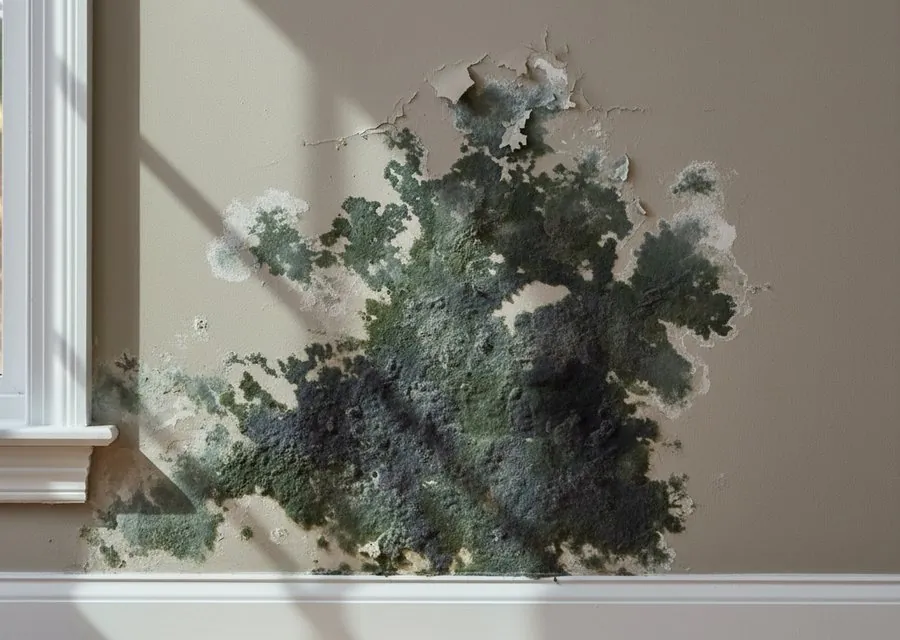
Mold growth on an interior wall after untreated water damage
(918) 550-2555
Phones answered 24/7
support@nitrorestorationllc.com
Mobile service — we come to you
Free assessment · we bill insurance directly
Our method of operation

Kill the moisture or the mold comes back.

Removing mold is only one part of the solution. Understanding why it started growing helps determine what needs to change to keep the problem from returning.

Mold isn’t always tied to a major water loss. A slow leak, recurring condensation, or excessive humidity can supply all the moisture it needs. Even when there’s no visible or standing water.

What you see on the surface may not show the full extent of the problem. We inspect accessible areas, check moisture levels, and determine whether or not more investigation is needed.

The cleanup depends on the materials involved and how far the growth goes. Some surfaces can be cleaned easily, while porous materials may need to be removed altogether.

We also help identify the moisture issue and explain what needs to be corrected, whether that means a plumbing repair, roof repair, or better humidity control. Addressing that issue is a crucial part of the plan.

How we handle it

A plan for the mold and the moisture.

01

Inspect & Plan

We inspect accessible areas for growth and moisture, identify affected materials, and explain the recommended work.

02

Protect & Contain

We set up containment and air filtration as needed to help limit the spread of dust and mold particles during removal and cleaning.

03

Remove & Clean

We remove materials that can’t be effectively cleaned and thoroughly clean remaining affected surfaces using products and methods suited to each material.

04

Dry & Review

We dry remaining materials as needed, review the completed cleanup, and document the work. We also discuss any remaining moisture corrections or independent verification needed.

What to look for

Signs worth taking a closer look at.

Visible growth, lingering odors, and recurring moisture can be reasons to investigate. These signs don’t all confirm mold, but they can help identify areas that need attention.

  • Visible spots or patches that appear to be growing or spreading.
  • A persistent musty smell in a room, closet, or cabinet.
  • Materials that remain damp after a leak or keep getting wet.
  • Recurring condensation on windows, walls, or other surfaces.
  • Bubbling paint, peeling wallpaper, or swollen trim near a moisture problem.
  • Growth that returns after the surface has been wiped clean.

If any of these sound familiar, we offer a complimentary assessment to look at accessible areas, check moisture levels, and explain what we find. If further investigation or independent mold testing is needed, we’ll go over those options with you.

Mold questions

Straight answers

Do you do mold testing or air-quality testing?

We don't do the testing ourselves. If further investigation or independent mold testing is needed, we'll go over those options with you.

Can you just treat the mold and leave the wall?

We won't. If the material stays wet, the growth comes back, and then we've both wasted your money. Removal and drying go together.

Is mold covered by insurance?

It depends entirely on your policy and the cause of the water. Sudden accidental losses are treated very differently from long-term seepage. Your adjuster makes that call — our job is to document what we find accurately either way.

How long after a leak does mold start?

Generally the concern window starts around 24 to 48 hours in the right conditions, which is why the drying timeline matters so much. Your structure and the season change the specifics.

Do I need to leave when water mitigation begins?

Not always. You may be able to stay if you have a safe living area and access to essential facilities. If the damage or mitigation work prevents you from preparing meals, using a toilet or shower, or sleeping safely, staying elsewhere may be necessary.

Keep reading

Related pages

Musty smell that won't go away? Let's find out what's still wet.

(918) 550-2555
Free assessment · Tulsa metro · support@nitrorestorationllc.com
Free assessment

Schedule Your Free Assessment

Tell us how to reach you and we'll call you back to talk through what happened, and whether you actually need restoration.

Water actively coming in? Don't wait on a form. Call now, phones are answered 24/7.

(918) 550-2555

We only use your info to contact you about your assessment.